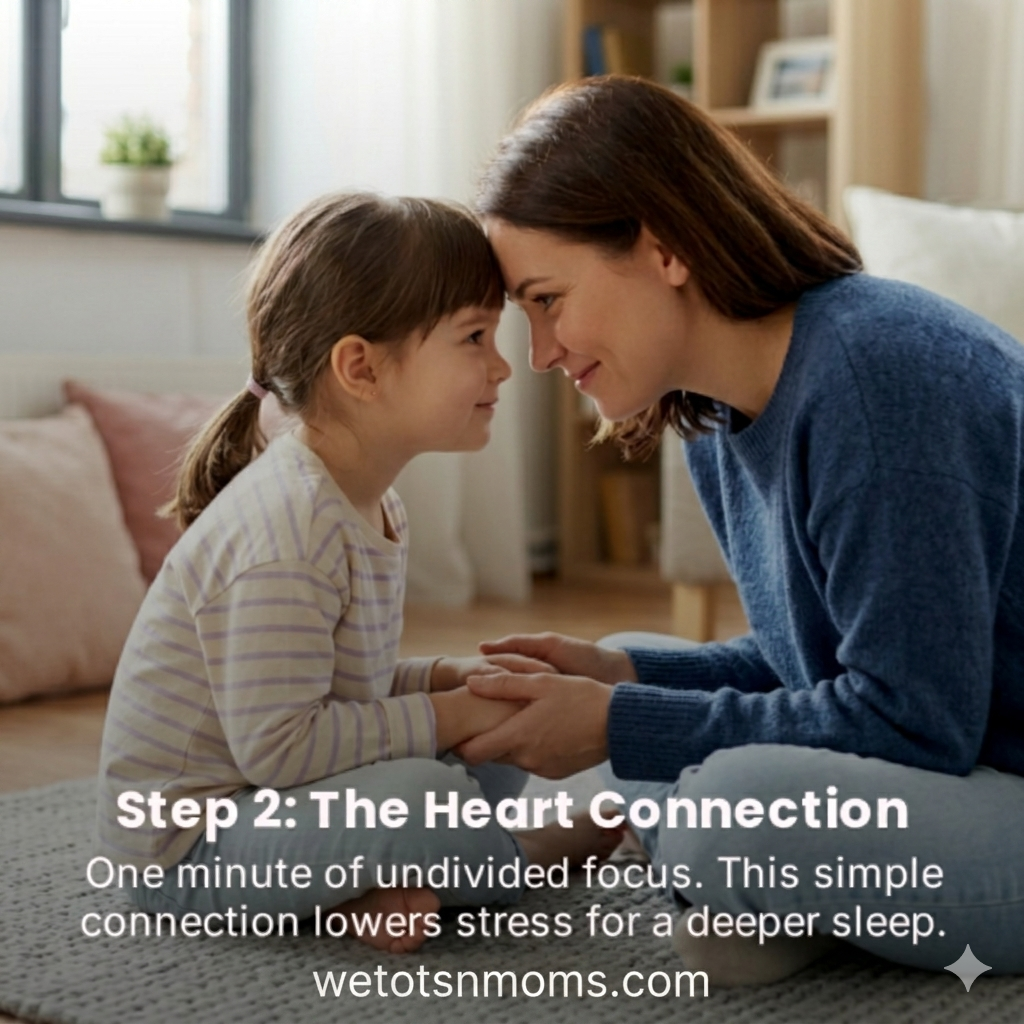
In the journey of parenthood, we often find ourselves fixated on behavior. We worry about tantrums, grades, and whether our children follow instructions. Naturally, this leads many parents to prioritize discipline—the rules, the "no’s," and the consequences. However, while structure is necessary, modern child psychology reveals a profound truth: discipline without emotional support is like a house without a foundation. It might look sturdy for a while, but it cannot weather the storms of development.
Why Children Need Emotional Support To Thrive
Children are born with a biological need for attachment. They require more than just rules and correction to navigate the world; they need to feel seen and heard. When a parent provides consistent emotional support, they are building a sense of internal security. This security acts as a safety net, allowing the child to explore, make mistakes, and learn without the paralyzing fear of rejection.
Emotional support is the primary tool children use to process their own complex feelings. Unlike adults, children lack a fully developed prefrontal cortex—the part of the brain responsible for logic and emotional regulation. When they are upset, they cannot "think" their way out of it. They need a parent to act as their external regulator. By feeling understood, the parent-child relationship strengthens, creating a bond of trust that makes future discipline much more effective.
Why Discipline Alone Often Falls Short
Discipline is often misunderstood as synonymous with punishment. When we rely solely on punishment—especially the kind that creates fear—we often inadvertently create distance. Punishment without connection doesn't teach a child how to behave; it teaches them how to avoid getting caught.
The Result of "Discipline Only"
"Fear may stop a behavior temporarily, but it teaches the child to hide their emotions, not manage them."
How Emotional Support Shapes Long-Term Development
When we prioritize support, we aren't just making today easier; we are building the architecture of the adult they will become. This is the "authority-building" phase of parenting. Children raised with high levels of emotional support typically develop high self-esteem, emotional intelligence, and resilience. Because they have a safe place to land, they are more willing to take risks and bounce back from failure.
Final Thoughts
At the end of the day, children won't remember every rule you set or every time they were grounded. What they will remember is the feeling of emotional safety. Support and structure are not opposites; they are the two wings of the same bird. When you strengthen the connection, discipline becomes significantly easier because your child wants to cooperate with someone they trust.